Current Projects
Along with our standard services, the JNRC also offers specialized resources and programs, often in partnership with other organizations working in the migrant resettlement space.
-
The project focuses on strengthening the Supply Room program, which provides essential items daily to refugees and asylum seekers living in highly precarious conditions. Overall, the approach combines practical, immediate support with a reliable delivery system, helping individuals better navigate daily life while working toward longer-term stability.
Thanks to the American Cathedral in Paris for supporting this initiative!
-
The Refugee Employment Integration Project builds on the JNRC’s established employment program and its Job Clinic Online, which connects guests with fair employers and supports them in the job search process. The project introduces two key components that strengthen integration outcomes: an expanded Italian language program led by two specialized teachers, and the systematized transfer of JNRC’s expertise to organizations within the Convocation Refugee Grant Program.
A dedicated coordinator will provide on-site and remote training, sharing effective practices, digital tools, and operational models developed by the JNRC. This aims to harmonize standards across the network and create scalable frameworks.
Thanks to the Karl Kahane Foundation for supporting this initiative!
-
The project aims to alleviate the hardships faced by refugees due to a lack of basic necessities, while creating a safe space away from the streets where they can engage in activities to overcome the pain caused by displacement and marginalization. It aims at enhancing personal growth for long-term integration.
Thank you to the United Methodist Committee on Relief of Global Ministries for supporting this initiative!
Past Projects
-
This project supported the socio-economic integration of thousands of refugees and asylum seekers in Europe by creating an effective training tool for volunteers who assist them in this challenging process.
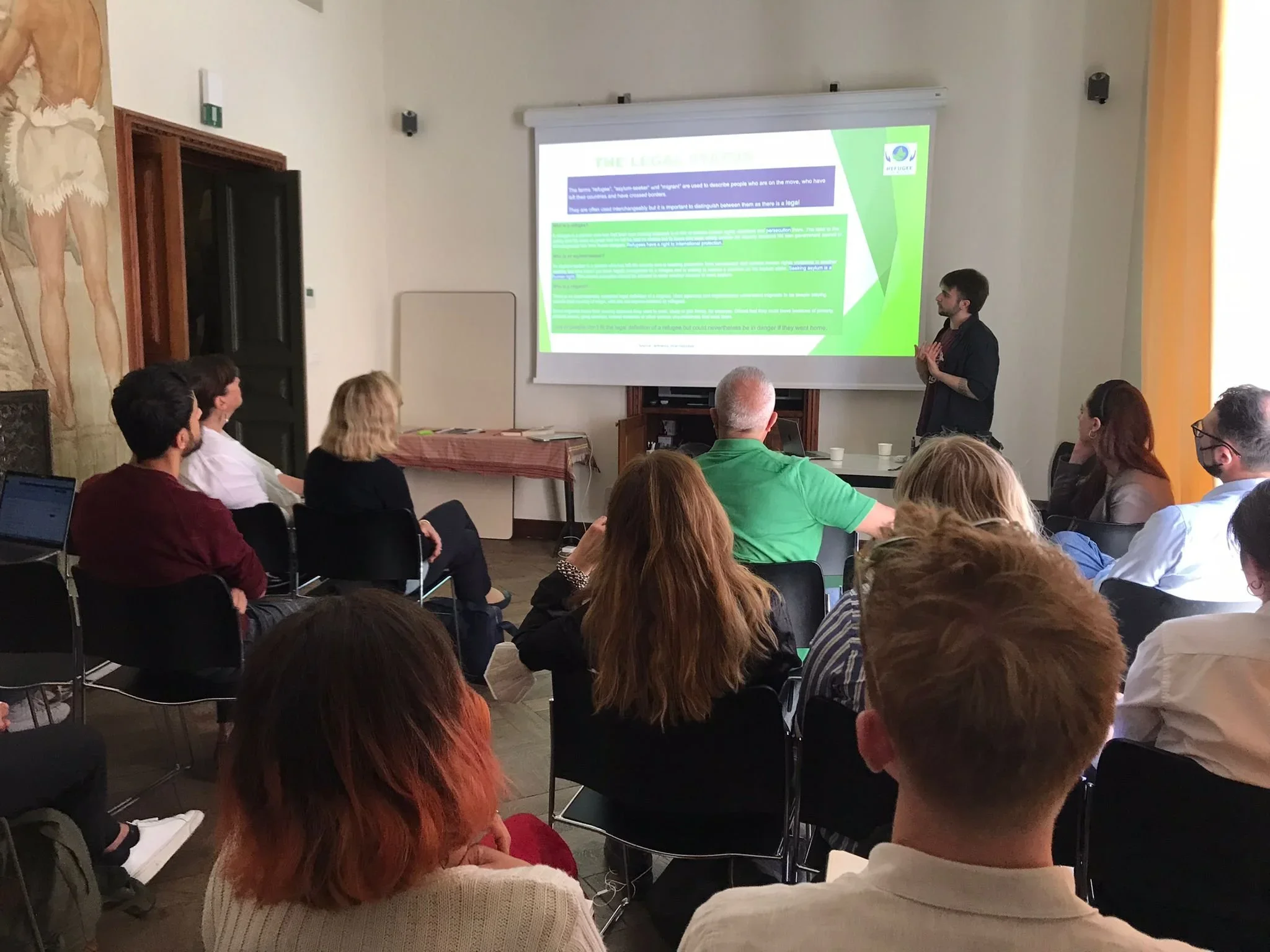
A joint effort with the Council of Europe, JNRC created two workshops were presented at the first JNRC Volunteer Training session on November 6, 2021. Every JNRC volunteer — more than 60 people — partipcated in the training, which was designed to facilitate the their interaction with the 150+ refugees and asylum seekers JNRC supports every day.
JNRC also developed six webinars on language learning specifically to train volunteers who work with guests in our language programs. They're all based on Council of Europe language suppoert guidelines for adult refugees and have been adapted to the linguistic integration needs of JNRC guests. Each is approximately 20-30 minutes long, and available to all current and future volunteers.on text goes here
-
In response to the ongoing Ukrainian refugee crisis, the JNRC collaborated with ItaliaHello to offer twice-weekly open help desk hours dedicated to people from Ukraine.
A cultural mediator of Ukrainian nationality and a team of volunteers offered information on services in the area, administrative and legal support, and help in finding a job. Assistance was also offered to help people enroll in Italian language courses aimed at work integration held at the JNRC.
This initiative came after the a week long JNRC staff humanitarian mission to the Ukrainian-Moldovan, in collaboration with BAOBAB Experience, a Roman organization dedicated to migrant rights. Together, we visited refugee reception centers in Chișinău and Palanca, Moldova, where we provided Ukrainian refugees with material help such as food and hygiene items. Many thanks to BAOBAB Experience for being at our side during the journey and the Convocation of Episcopal Churches in Europe whose generous support enabled the JNRC to carry out this mission.
-
This student-focused project allowed participants to learn and reflect on the universal nature of human rights and on the diversity of cultures, religions and traditions. We brought together a multidisciplinary team – religious leaders from Christian, Islamic, and Buddhist Communities, refugees from four different countries and a number of teachers — to engage with the students and create an online communication campaign on the value of diversity.
In four thematic workshops we created an exchange on the fundamental principles at the base of any religion, on the global context of migration and countries of origin, and on the diversity of people, traditions and cultures. Our speakers included:
Imam Yahya Pallavicini, president of COREIS Islamic Religious Community Italy and member of the general assembly of the Great Mosque of Rome
Rev. Austin K. Rios, 15th Rector of St. Paul’s Within the Walls Episcopal Church
Eleonora Fiorini, member of the Buddhist Institute Soka Gakkai, expert in migration, public official in the Juvenile Court of Rome
Cuenca Bonilla Cesar Augusto, originally from Colombia, in Italy since January 2020
Mahamadou Sankarehis, originally from Gambia, in Italy since January 2014 and a cultural mediator at JNRC since 2016.
Ayman Wasef, in Italy since August 2019 and working at St. George’s British International School since September 2020
The #EmbraceDiversity #EmbracetheFuture Project was realized in collaboration with ItaliaHello and St. George’s British International School Rome with the contribution of the Niwano Peace Foundation.
-
The Embrace Diversity: Refugee Integration through Care of Creation project aims to bolster the integration efforts of our guests by giving them a role in a Roman community-led initiative.
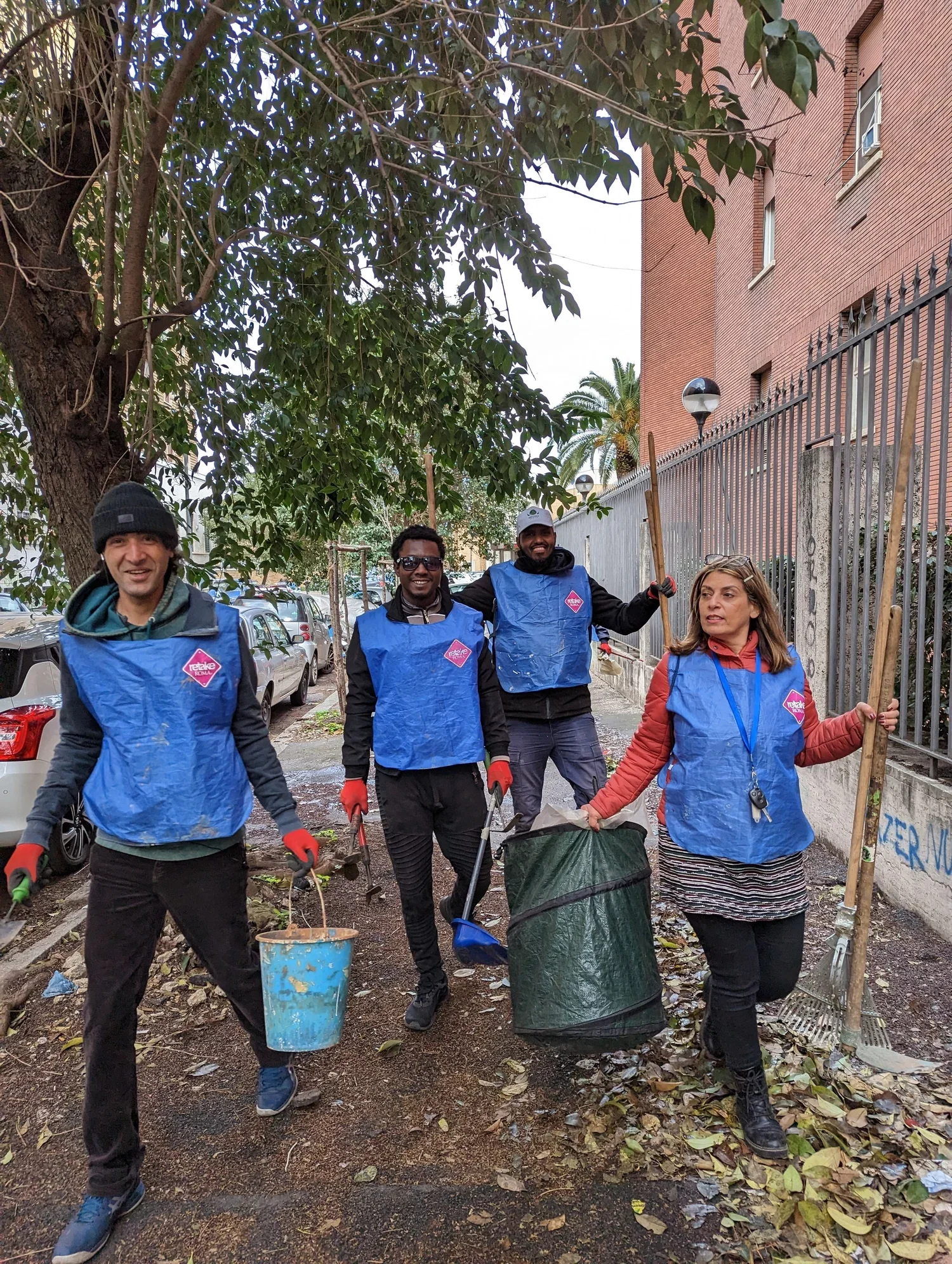
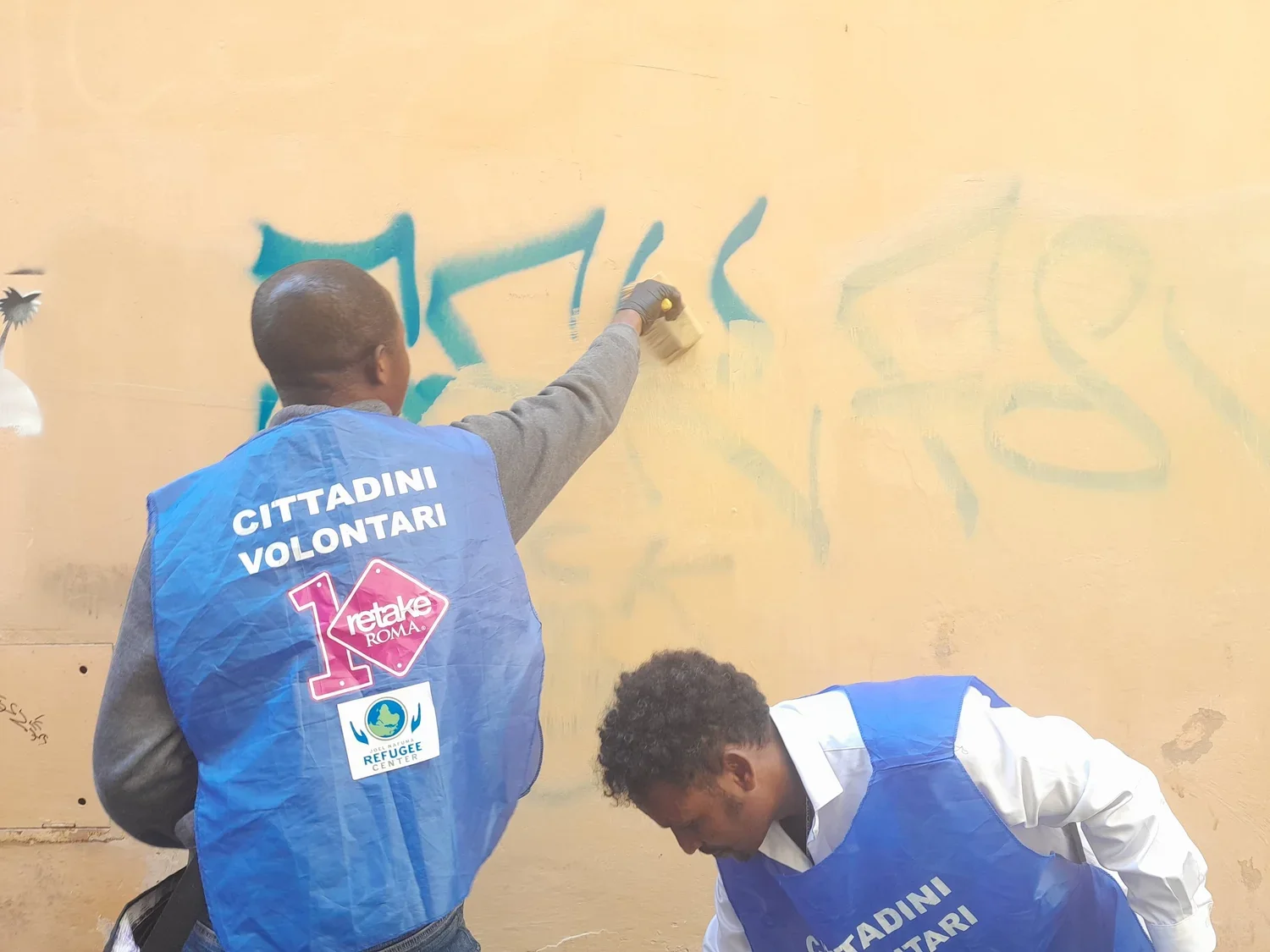
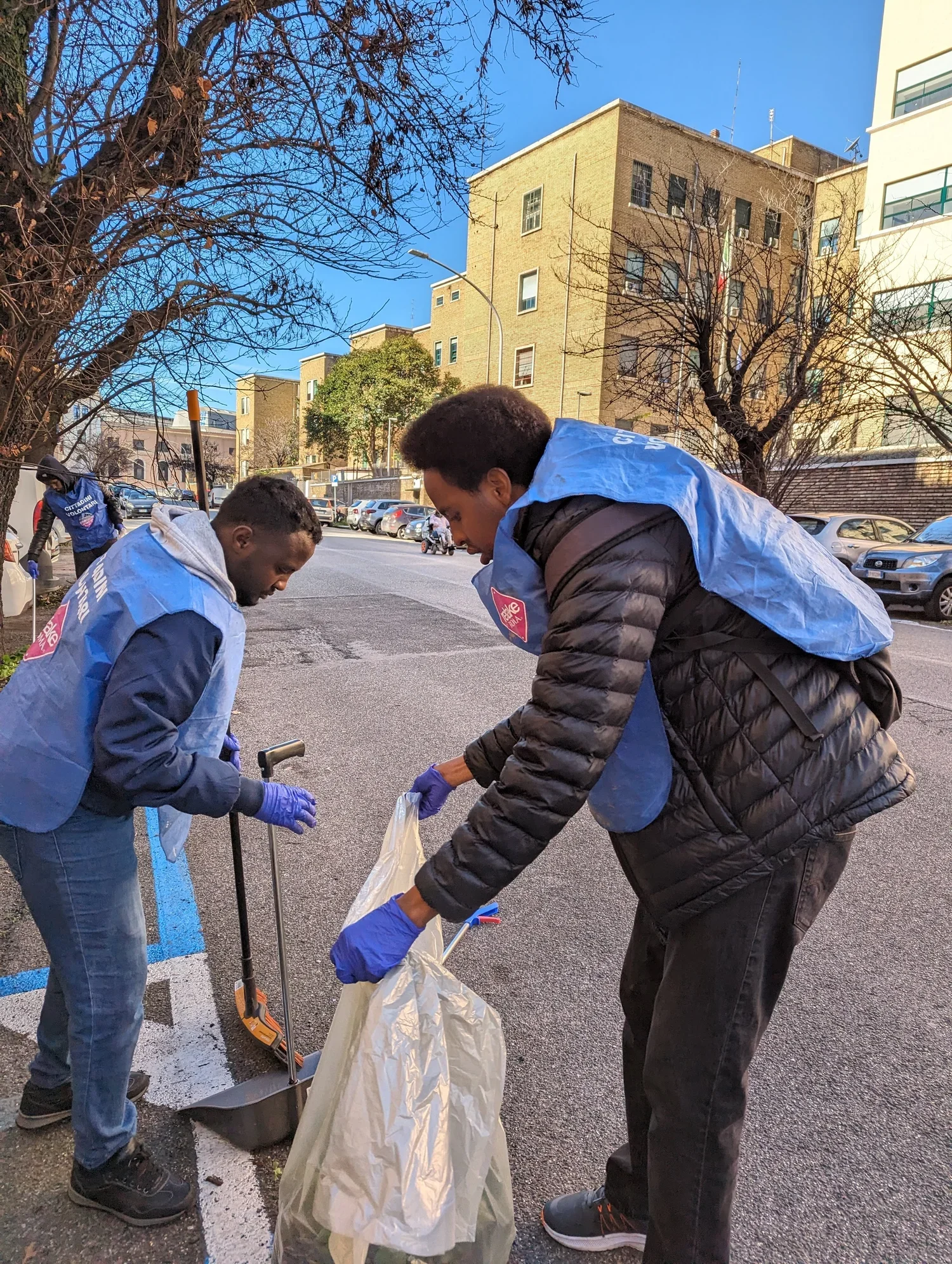
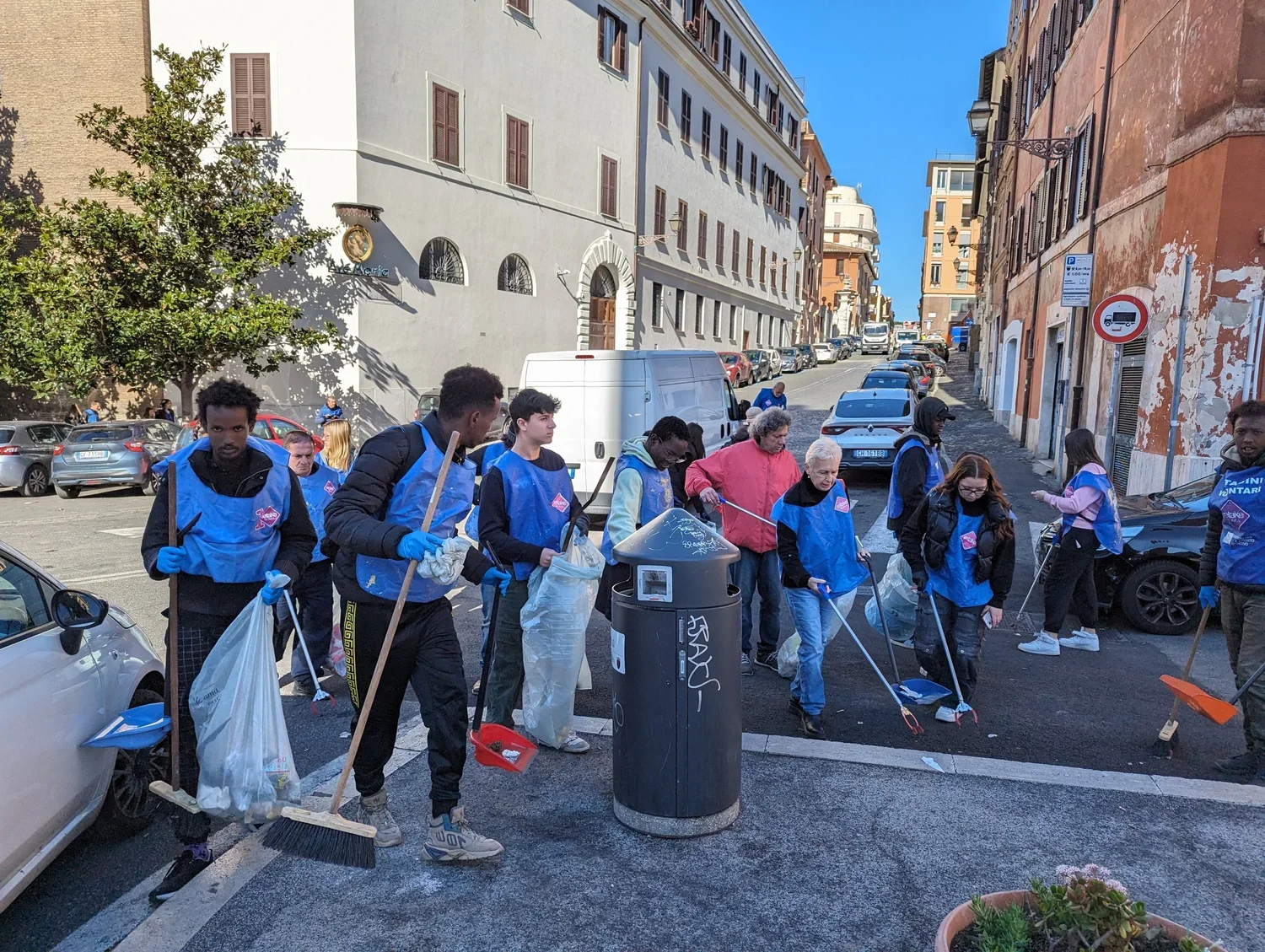
By connecting JNRC guests to the Retake Roma cleanup project, Care of Creation actively engages the broader Roman Community towards one goal: caring for the public spaces of Rome for the benefit of all. Participants — refugees, local residents, and St. Paul's parishioners — came together once a week for a year to spend four hours cleaning up an Roman public space. Each session created the opportunity for intercultural sharing, ultimately increasing opportunities for integration. "The guests of the JNRC are excited about this opportunity. For many of them, the group outings have become an event they definitely should not miss out on. And this is invaluable in terms of community ties and mental health. We are aware that this is just a drop in the ocean, but it is still a valuable activity to combat social fragility," explained Mauro Bifulco, Project Coordinator
Throughout this project, JNRC also deployed an awareness campaign on social media highlighting the ways collective action can create lasting bonds and deepen engagement with social issues which affect us all. It encouraged awareness of ecological issues and promoted the value of diversity and the benefits of inclusive initiatives.
Refugee Integration through Care of Creation was based on the shared values of the JNRC, ItaliaHello, and Retake Rome, and benefitted from the generous support of the Convocation of Episcopal Churches in Europe and United Thank Offering.
-
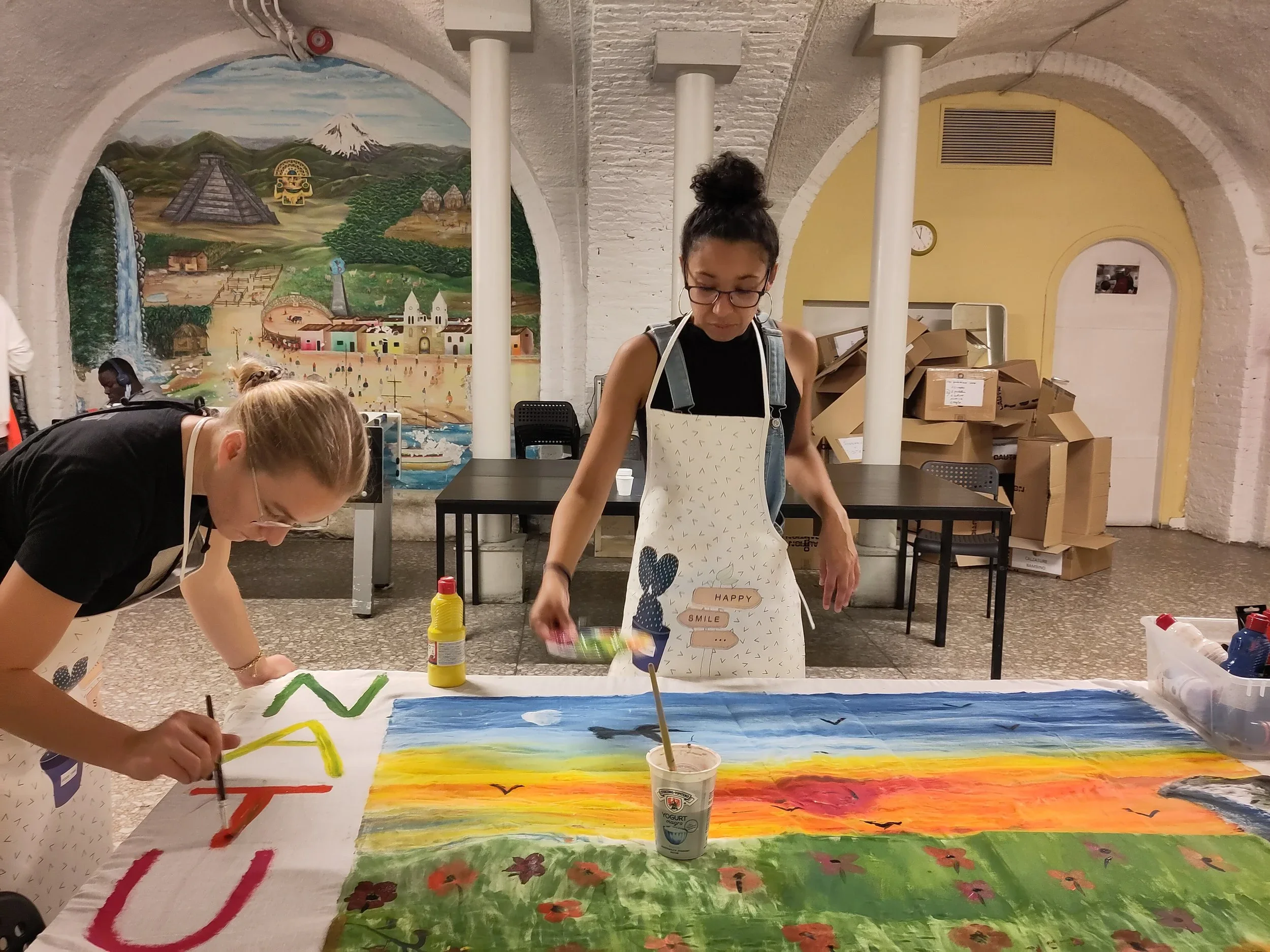
The Moving & Belonging Art Project, in collaboration with St Georges International School, allowed students and JNRC staff to commune and learn from each other while creating together. and eveutally co-creating two collaborative collage artworks,.
This project aimed to sensitize students to the plights of refugees and asylum seekers, giving them a foundation for learning about migration without preconceptions, empowering them to more easily decipher what information is accurate when it comes to the myriad of narratives around migrants, and giving them a more grounded understanding of the individuals behind migration and the structure of international protection.
Working students aged 8 to 11, we centered our discussions on individual migrants rather than institutions or international dynamics to keep things concrete for the young people. The students met once a week to work on different art-related activities, all the while learning about different aspects of migration. They created small handcrafts that they sold at their school fair with all proceeds going to the JNRC. They collected images relating to the "Moving & Belonging" theme, which made them reflect on their own journeys given that nearly all of them had already lived in multiple countries in their lives. We also addressed preconceptions about refugees and through the insight of two of our guests, who talked to the students about their first-hand experiences, and the students visited JNRC and saw our work in action.
We hope that this project will be the beginning of a long journey of interest in the issue of migration, and refugee and asylum seekers' rights, and that it will inspire them to continue to seek information necessary to understand the complex but incredibly relevant topic of migration in all its complexities.
-
Fashion can allow us to express ourselves without speaking, breaking down barriers and allowing for a form of communication which goes beyond specific languages. Clothes can influence how others react to us — especially in the job market.
Dress With Dignity focused on creativity, self-expression and community for individuals in the refugee community seeking to pursue careers in fashion, as well as for the the refugee community in general. The idea for this project grew out of one of our volunteers, Faisal, and his love of fashion. Faisal, also a refugee, has been volunteering in the JNRC Supply Room and advising other guests: which colors go together, how to style an old-fashioned sweater, how to get the best out of second-hand clothing.
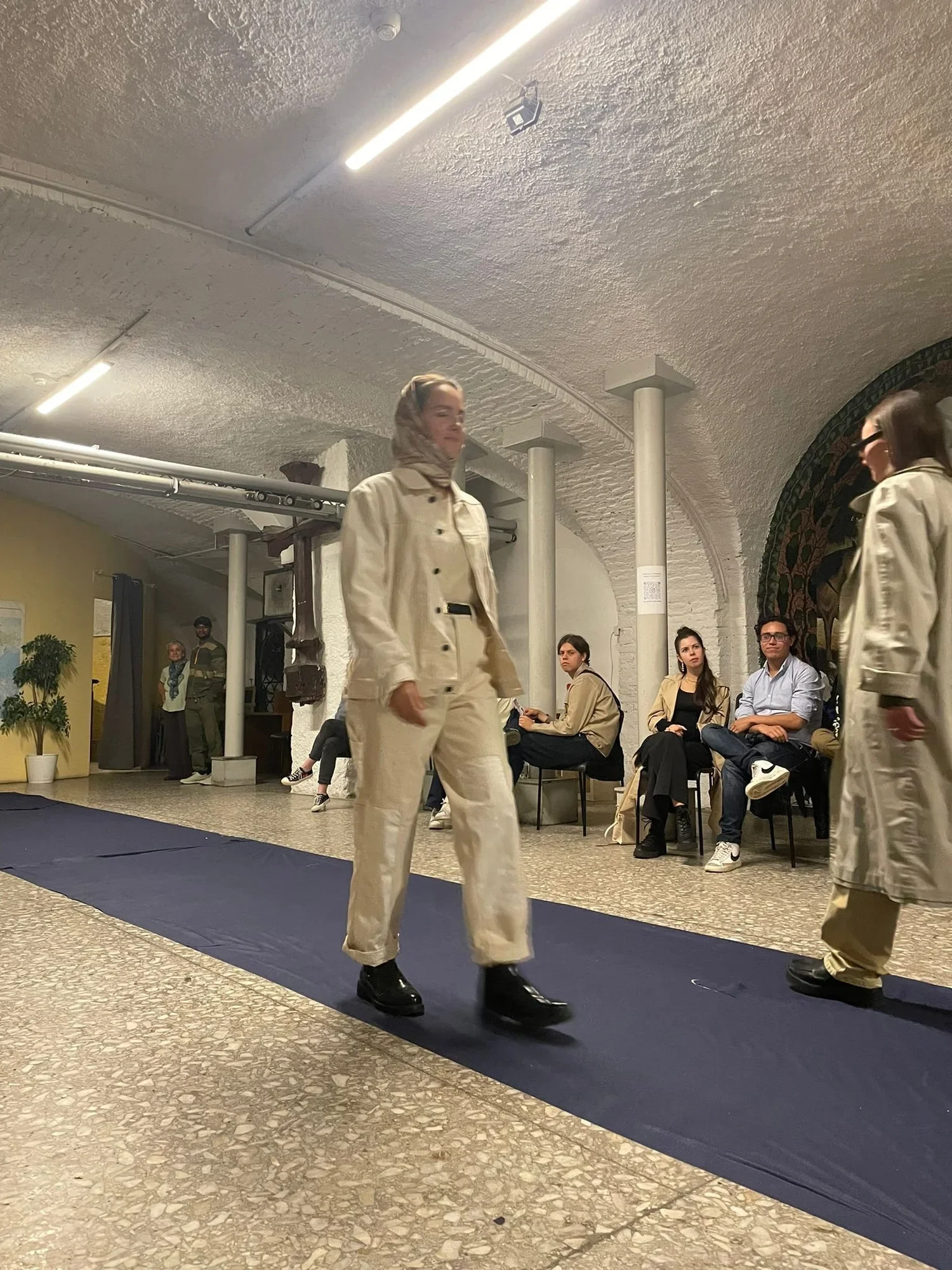
Faisal, along with the volunteers in a sewing program that was active at the time, helped guests design new clothes and upcycle old ones, culminating in a fashion show and photo shoot at the enter.
Dress With Dignity gave guests a chance to experiment, learn, and gain creative experience. Pursuing a career in the arts requires portfolio and the gaining of first-hand experience; refugees and asylum seekers are hugely disadvantaged here, and often cannot afford to do unpaid internships, don't have the material to pursue their creative ideas, and have unequal access to higher education in general. With this project, participants also got an expanded portfolio and an enriched CV.
-
The Green Refuge Project addressed environmental racism via a three-pronged approach: community outreach, educational workshops, and hands-on environmental cleanup efforts. The project recognized the unique challenges faced by refugees in urban environments and provided them with tools and resources for participating in the revitalization of their communities.
Up to 70% of our guests experience homelessness in Rome, living on the streets, in parks and public spaces, and near transit hubs, particularly Termini. Rome is one of the most polluted cities in Europe, has faced several crises related to trash collection, and struggles to enforce laws related to waste management and dumping. And while fewer than 10% of Romans are non-Italian, over 50% of those experiencing homelessness are non-Italian and people of color. Environmental racism means marginalized communities face disproportionate exposure to environmental hazards.
With the Green Refuge Project, we collaborated with several partners to approach the problem on multiple levels:
With ItaliaHello, we collaborated on a social media campaign.
With Retake Roma, we organized weekly sessions to redevelop urban spaces with the active involvement of the JNRC guests.
We established relationships with local high schools (Liceo Classico Cavour and IIS Leonardo Da Vinci), organizing workshops on environmental matters with the students.
-
This initiative provided comprehensive psychosocial support and empowerment for vulnerable guests, primarily women and children.
We identified key activities and services aligned with the intervention pyramid for mental health and psychosocial support in emergencies. For guests with the most severe mental health problems, we offered psychological and psychiatric support through clear referral pathways to mental health services and sanitary professionals.
Our survivor-centered approach prioritized confidentiality, safety, and dignity.
-
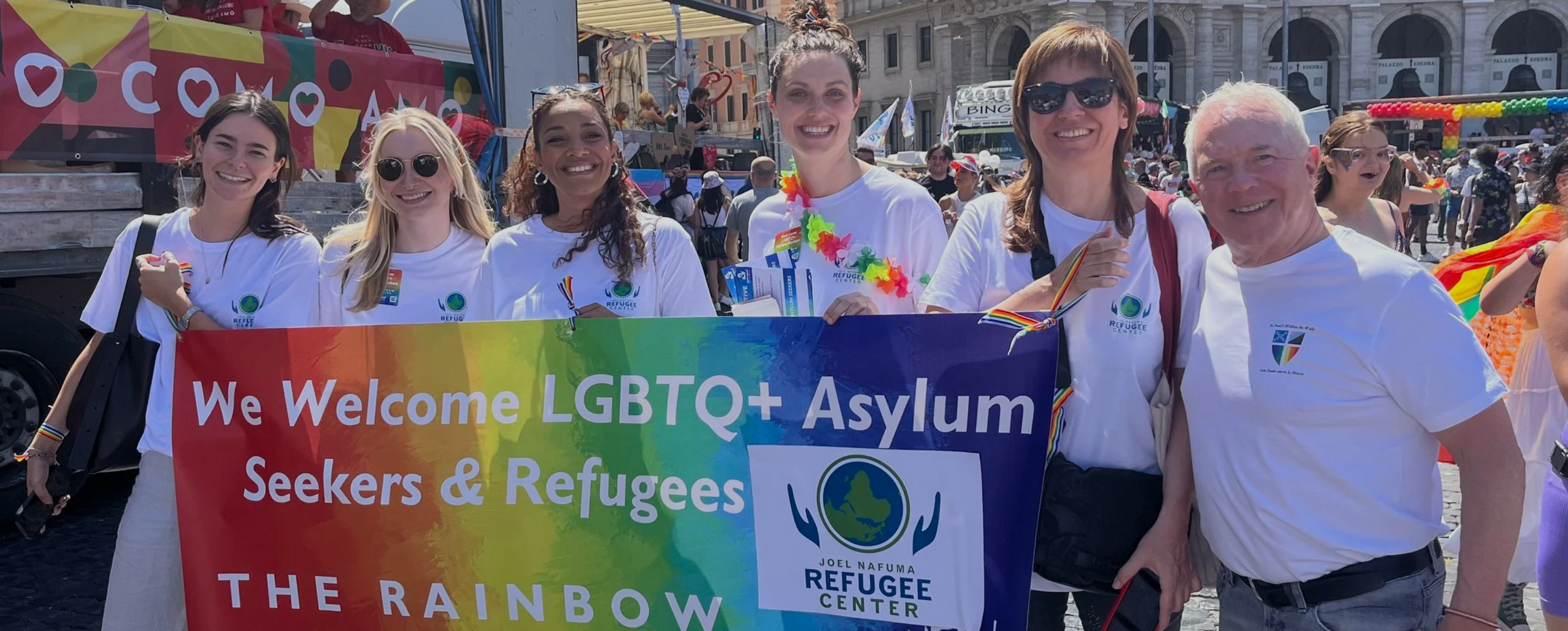
The JNRC is dedicated to expanding its services to better support the LGBTQ+ community, ensuring that our assistance is accessible to and inclusive for all. LGBTQ+ forced migrants face unique and complex challenges, including heightened risks of violence, discrimination, and marginalization. We aim to create a welcoming environment where every person can access essential services, psychosocial support, and community.
In partnership with Episcopal Migration Ministries, we provided specialized training for our volunteers to ensure they are equipped to support LGBTQ+ individuals with sensitivity and understanding. We also created informational materials to share with LGBTQ+ organizations in Rome, helping to raise awareness among LGBTQ+ forced migrants that the JNRC is a safe and supportive space.
This program reflects our principles of dignity, respect, and equality, addressing the specific needs of LGBTQ+ forced migrants to enhance their well-being, integration, and quality of life. By empowering individuals to overcome challenges, we aim to help them thrive in their new environments and contribute meaningfully to their communities and society as a whole.